Making a Difference in Your Community: An Interview With Ayush Desai from S.T.A.A.N.D
Teen vaping and substance use continue to be pressing concerns for families, schools, and communities across New Jersey. While prevention efforts often focus on adult-led education and policy initiatives, young people themselves can be powerful advocates for change. In Piscataway, two high school seniors are proving that student voices can make a meaningful impact.
Ayush Desai and Devi Patel, seniors at Piscataway High School, launched S.T.A.A.N.D. in June 2025. The name stands for Students Taking Action Against Narcotic and Nicotine Dangers, and the initiative is focused on raising awareness about the risks of vaping and substance use among middle and high school students. Their goal is not to lecture or judge, but to engage peers in honest, relatable conversations about health and decision-making.
In the following interview, ShaRonda Amon, Coalition Coordinator at Wellspring Center for Prevention, speaks with Ayush about how S.T.A.A.N.D. began, the impact it has had in the Piscataway community, and what advice they would offer other students who want to take action. Their conversation highlights the importance of youth leadership, community collaboration, and prevention efforts that start from within schools themselves.
Why This Piscataway Teen Started a Vaping Prevention Initiative
ShaRonda: Ayush, you’ve been doing some amazing work raising awareness about vaping and substance use among teens. Tell me about how you began S.T.A.A.N.D.
Ayush: I wanted to raise awareness about the dangers of vaping and drugs among middle and high school students in a way that’s supportive, not judgmental. Too many people our age think these substances are harmless, and we wanted to show the real risks in a way that was easy to understand and connect with. I reached out to my friend Devi Patel, and together we decided to build an awareness campaign that could actually make an impact on students like us.
How Students Can Raise Awareness About Teen Substance Use
ShaRonda: What advice would you give other students who want to make a difference?
Ayush: The advice I would give is to first identify a problem that’s personal and important to you. It does not matter how big or small the issue is. Even starting small, like sharing a fact on social media or informing your friends of the issue can make a difference. Once you have an idea, reach out to people who can help. Friends, teachers, or local organizations and non-profits can be a big support. That’s how I began collaborating with Wellspring. I met with ShaRonda and she helped me think of ways to expand STAAND.
ShaRonda: Ayush, what would you say to students who want to make a difference but feel like they can’t?
Ayush: Stop thinking you have to wait. I started with something that scared me, seeing kids my age using vapes without knowing the risks. I knew I couldn’t just stand by. You don’t need to create your own non-profit or raise millions of dollars to make an impact. Even one conversation with a friend, one post, one small idea can have a ripple effect and lead to groups of friends learning, dozens of posts being made, and tons of ideas being spread and enacting change. The key is caring enough to actually do it. Change starts with action. Notice a problem, come up with a plan, and do something about it. Every conversation, pledge, or post can have a ripple effect. Students can lead and inspire their peers right now.
How to Talk to Peers About Vaping and Drugs Without Judgment
ShaRonda: Some students might feel nervous about bringing up serious topics like substance use. How should they handle that?
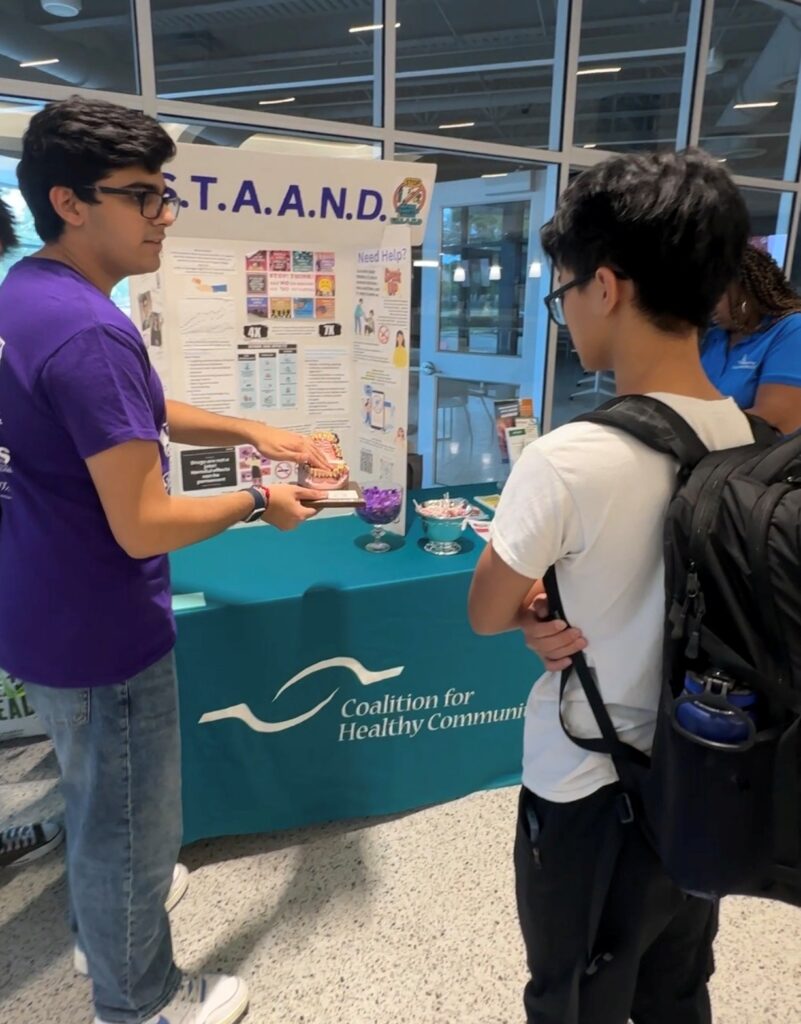
Ayush: The best way is to be supportive and not judgmental. Teens in general listen more when they’re not being lectured by someone. Using stories, visuals, or games makes it easier for people to connect. Fun activities like an interactive social media challenge or putting yourself out there at events like National Night Out can expand your message to the audience you’re looking to address.
ShaRonda: But how do you make people listen when they’re used to tuning out?
Ayush: You have to make it real. Tell stories, show the consequences, don’t just throw statistics at them. Teens notice when it hits close to home. And show up consistently. One post or one event won’t cut it. People start paying attention when they see you keep showing up and caring.
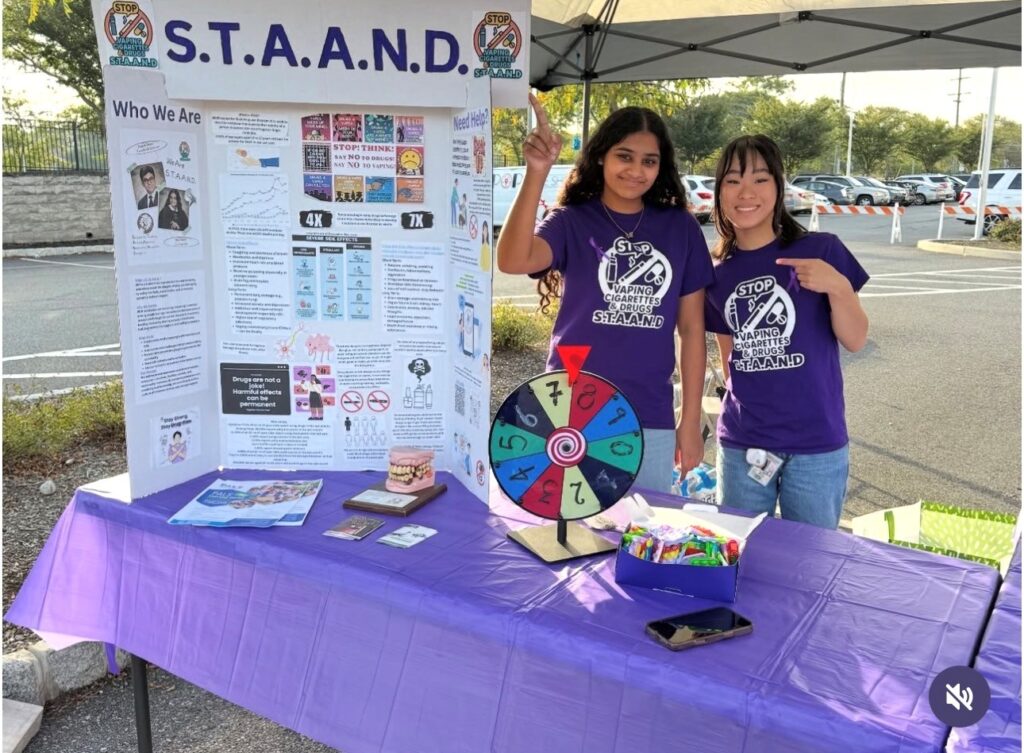
The Community Impact of Student-Led Vaping Prevention in Piscataway
ShaRonda: What impact has S.T.A.A.N.D made in your community?
We created an Instagram page (stand_strongyouth) which reached nearly 2,000 accounts and amassed close to 30,000 views across our account. We post about the work that we do in the community, and we also create education posts as well.
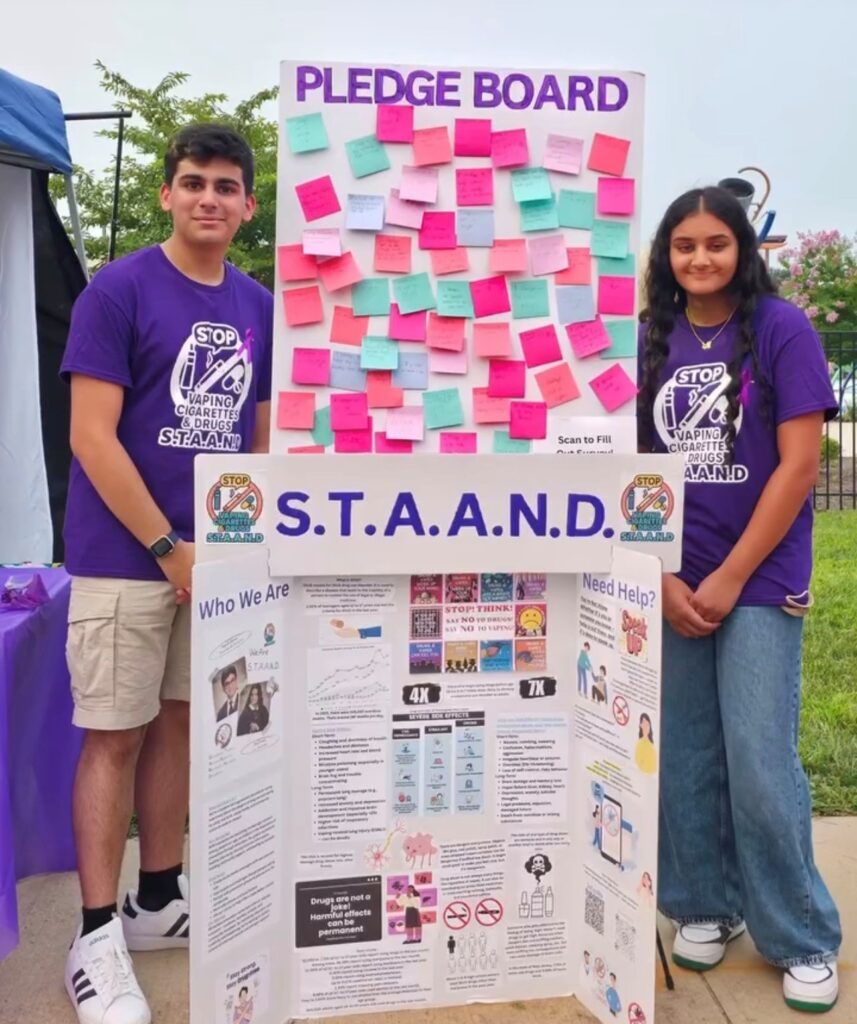
We attended several community health and wellness fairs, where we have educated over 1,000 people, collected hundreds of pledges against substance use from youth, and handed out multi-lingual brochures.
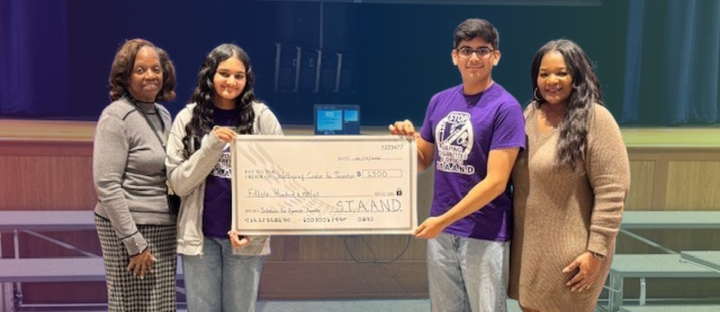
Lastly, we raised over $2,000 through community sponsorships as well as GoFundMe. The funds were used for Wellspring to give three vaping prevention assemblies at Schor Middle School in Piscataway. We also used the funds for the Young Women’s Conference and for raffles.
ShaRonda: Any last words for students who want to make a real impact?
Ayush: Care enough to act. Don’t underestimate your voice. Be bold, be consistent, and pull your friends in. Change isn’t about doing everything at once. It’s about starting.